Showing posts with label canoe. Show all posts

Friday, July 31, 2020

Cool Para Canoe References

Australia names Rio 2016 Para canoe team
Australia names Rio 2016 Para canoe team from www.paralympic.org

Are you looking for an exciting and challenging sport that pushes your limits? Look no further than para canoe. This thrilling water sport combines the physical demands of kayaking with the unique challenges faced by individuals with disabilities. Whether you're a seasoned athlete or new to the world of para sports, para canoe offers a one-of-a-kind experience that will leave you exhilarated and empowered.

Para canoe is not without its challenges, but the rewards are well worth it. The sport requires strength, coordination, and mental focus. Athletes must navigate their kayaks through rough waters, battling against the elements and their own physical limitations. It can be physically demanding, but the sense of accomplishment and the feeling of freedom on the water make it all worthwhile.

So, what is the target of para canoe? The sport is open to individuals with a range of disabilities, including physical impairments and visual impairments. It provides an opportunity for people with disabilities to participate in a competitive sport and challenge themselves in a supportive and inclusive environment. Para canoe also offers a pathway for athletes to compete at the Paralympic Games, where they can showcase their skills on a global stage.

In summary, para canoe is a thrilling and challenging water sport that offers individuals with disabilities the opportunity to push their limits and compete at the highest level. It provides a supportive and inclusive environment for athletes to challenge themselves and showcase their skills. Whether you're new to the sport or a seasoned athlete, para canoe offers a unique and empowering experience that will leave you exhilarated and inspired.

The Target of Para Canoe: A Personal Experience

When I first discovered para canoe, I was immediately drawn to the sport. As someone with a physical disability, I had always felt limited in my athletic pursuits. But para canoe offered me a chance to challenge myself and prove that my disability did not define me.

My journey in para canoe began with a sense of uncertainty and doubt. Could I really compete in a sport that required such physical strength and endurance? But as I started training and honing my skills, I realized that para canoe was about more than just physical ability. It was about mental resilience, determination, and a belief in myself.

Para canoe gave me the opportunity to push my limits and discover what I was truly capable of. It taught me the importance of perseverance and the value of hard work. And perhaps most importantly, it showed me that disability does not have to be a barrier to success.

Para canoe is a sport that has changed my life in more ways than I can count. It has given me confidence, strength, and a sense of purpose. It has introduced me to a community of inspiring individuals who have become like family. And it has shown me that no matter what challenges I may face, I am capable of overcoming them.

So if you're looking for a sport that will challenge you, empower you, and leave you with a sense of accomplishment, I highly recommend giving para canoe a try. It may just change your life, too.

What is Para Canoe?

Para canoe is a water sport that involves paddling a kayak through rough waters using a paddle with a single blade. The sport is open to individuals with a range of disabilities, including physical impairments and visual impairments.

Para canoe is a Paralympic sport, meaning that athletes can compete at the Paralympic Games. The sport is governed by the International Canoe Federation (ICF), which sets the rules and regulations for para canoe competitions.

In para canoe, athletes are classified based on their level of impairment. There are three classifications: KL1, KL2, and KL3. KL1 athletes have the highest level of impairment, while KL3 athletes have the lowest level of impairment. Athletes in each classification compete against others with similar impairments to ensure fair competition.

Para canoe races take place on various bodies of water, including rivers, lakes, and oceans. The courses are typically marked with buoys, and athletes must navigate their kayaks around these markers while battling against the elements and their own physical limitations.

Para canoe is a physically demanding sport that requires strength, endurance, and mental focus. Athletes must have good upper body strength and coordination to paddle their kayaks effectively and navigate through rough waters. They must also have the mental resilience to push through fatigue and overcome challenges on the water.

The History and Myth of Para Canoe

The history of para canoe dates back to the 1980s, when the sport first emerged as a competitive discipline for athletes with disabilities. The International Canoe Federation (ICF) recognized the potential of para canoe and began developing rules and regulations for the sport.

Over the years, para canoe has grown in popularity and gained recognition as a Paralympic sport. The first para canoe events were held at the Paralympic Games in 2016 in Rio de Janeiro, Brazil. Since then, the sport has continued to evolve and attract athletes from around the world.

Despite its relatively short history, para canoe has already produced many inspiring stories and legends. Athletes with disabilities have overcome incredible odds to compete in the sport and achieve great success. Their stories serve as a reminder that disability does not have to be a barrier to greatness.

One such story is that of Charlotte Henshaw, a British para canoeist who lost the use of her legs after contracting an illness as a child. Despite her disability, Henshaw has become a dominant force in para canoe and has won numerous medals at the Paralympic Games and World Championships.

These stories and legends inspire and motivate athletes with disabilities to pursue their dreams and achieve their goals. They show that with determination, hard work, and the right support, anything is possible.

The Hidden Secret of Para Canoe

The hidden secret of para canoe lies in its ability to transform lives. The sport offers individuals with disabilities a chance to challenge themselves, overcome obstacles, and achieve greatness. It provides a supportive and inclusive environment where athletes can push their limits and showcase their skills.

Para canoe also offers a sense of freedom and independence. When paddling on the water, athletes have a sense of control and empowerment that may be lacking in other areas of their lives. It gives them an opportunity to escape the constraints of their disabilities and experience the thrill of adventure.

Furthermore, para canoe fosters a sense of community and camaraderie. Athletes with disabilities often face unique challenges and can feel isolated from the wider community. But in the world of para canoe, they find a supportive network of like-minded individuals who understand their struggles and celebrate their successes.

The hidden secret of para canoe is that it is not just a sport; it is a way of life. It is a journey of self-discovery, personal growth, and empowerment. It is a testament to the indomitable human spirit and the power of determination.

Recommendations for Para Canoe

If you're interested in trying para canoe, here are a few recommendations to get started:

1. Find a local para canoe club or organization: Joining a club or organization is a great way to learn the basics of para canoe and connect with other athletes. They can provide guidance, support, and access to equipment.

2. Start with a beginner-friendly kayak: When starting out, it's important to choose a kayak that is suitable for beginners. Look for a kayak that is stable, easy to maneuver, and suited to your specific needs and abilities.

3. Work with a coach or trainer: A coach or trainer can help you develop the skills and techniques needed for para canoe. They can provide guidance on proper paddling form, strength training exercises, and race strategies.

4. Set goals and track your progress: Setting goals is important for staying motivated and measuring your progress. Whether it's completing a certain distance, improving your time, or competing in a race, having goals will give you something to work towards.

5. Stay consistent and dedicated: Like any sport, para canoe requires consistent practice and dedication. Make a commitment to training regularly and pushing yourself to improve. Be patient with yourself and celebrate small victories along the way.

By following these recommendations, you'll be well on your way to enjoying the excitement and challenges of para canoe.

Para Canoe and its Health Benefits

Para canoe offers a range of health benefits for individuals with disabilities. Here are a few ways that para canoe can improve your physical and mental well-being:

1. Strength and endurance: Para canoe is a physically demanding sport that requires upper body strength and endurance. Paddling a kayak through rough waters can help build muscle strength in the arms, shoulders, and back. It also improves cardiovascular fitness and overall endurance.

2. Balance and coordination: Para canoe requires good balance and coordination to paddle effectively and navigate through rough waters. Regular practice can improve your balance and coordination skills, which can benefit your overall mobility and stability in everyday life.

3. Mental focus and resilience: Para canoe challenges your mental focus and resilience. Navigating through rough waters requires concentration and quick decision-making. Over time, para canoe can improve your mental agility, focus, and ability to adapt to changing conditions.

4. Stress relief and relaxation: Spending time on the water can have a calming effect on the mind and body. The rhythmic motion of paddling and the tranquil surroundings can help reduce stress, anxiety, and improve

Thursday, July 30, 2020

Awasome Measuring Canoe Paddle Length References

The Best Kayak Paddle and How to Choose the Right One
The Best Kayak Paddle and How to Choose the Right One from www.boatsafe.com

Are you a canoe enthusiast looking to improve your paddling experience? One important factor to consider is the length of your canoe paddle. The right paddle length can greatly impact your comfort, efficiency, and performance on the water. In this article, we will explore the topic of measuring canoe paddle length and provide you with all the information you need to find the perfect paddle for your needs.

When it comes to measuring canoe paddle length, there are a few pain points that many paddlers encounter. One common issue is using a paddle that is too long or too short, which can lead to discomfort and inefficient paddling. Another challenge is determining the correct paddle length for different types of canoeing, such as solo paddling or tandem paddling. Additionally, the wide variety of paddle lengths available on the market can make it overwhelming to choose the right one.

The main goal of measuring canoe paddle length is to find a paddle that allows you to paddle comfortably and efficiently. The correct paddle length will depend on several factors, including your height, the width of your canoe, and your paddling style. By taking accurate measurements and considering these factors, you can determine the optimal paddle length for your needs.

In conclusion, measuring canoe paddle length is a crucial step in optimizing your paddling experience. By finding the right paddle length, you can paddle more comfortably and efficiently, leading to a more enjoyable time on the water. Now, let's dive deeper into the topic of measuring canoe paddle length and explore its various aspects.

Measuring Canoe Paddle Length: A Personal Experience

As an avid canoeist, I have spent countless hours on the water, exploring lakes, rivers, and even whitewater rapids. Throughout my paddling journey, I have come to understand the importance of having the correct paddle length. One particular experience stands out to me, where I mistakenly used a paddle that was too short for my height. As I paddled, I noticed that I had to hunch over, straining my back and shoulders. My strokes felt weak and inefficient, and I quickly grew tired. It was a frustrating experience that could have been easily avoided if I had measured my paddle length correctly.

Measuring canoe paddle length involves a few key steps. First, you need to determine your ideal paddle length based on your height. Stand upright and raise your arm above your head, making sure your elbow is at a 90-degree angle. Measure the distance from your fingertips to the ground. This measurement will give you a rough estimate of your paddle length. However, it is important to note that this is just a starting point, and other factors need to be considered.

In addition to your height, you should also take into account the width of your canoe. A wider canoe will require a longer paddle to reach the water comfortably. On the other hand, a narrower canoe may require a shorter paddle. It is recommended to add a few inches to your initial measurement if you have a wider canoe and subtract a few inches if you have a narrower canoe.

Another factor to consider is your paddling style. If you primarily paddle in a solo canoe, you may prefer a shorter paddle for maneuverability. However, if you frequently paddle in tandem or with a heavy load, a longer paddle may provide more power and efficiency.

By taking these factors into account and measuring your paddle length accurately, you can find the perfect paddle that suits your needs and enhances your paddling experience.

The History and Myth of Measuring Canoe Paddle Length

The history of measuring canoe paddle length dates back centuries, as paddling has been an essential mode of transportation and recreation for many cultures around the world. In ancient times, indigenous peoples used various materials such as wood, bone, and even animal horns to craft their paddles. The length of these paddles was often determined by the size of the individual and the type of canoe they were using.

Throughout history, there have been myths and legends surrounding the measurement of canoe paddle length. Some believed that the length of a paddle could influence the speed and maneuverability of the canoe. Others believed that certain paddle lengths had spiritual or symbolic significance. While these beliefs may be rooted in folklore, it is important to rely on accurate measurements and practical considerations when choosing a paddle length.

Today, modern technology and materials have revolutionized the paddle industry. Paddles are now made from lightweight materials such as carbon fiber and fiberglass, allowing for greater efficiency and performance on the water. However, the principles of measuring paddle length remain the same, ensuring that paddlers can find the optimal length for their needs.

The Hidden Secret of Measuring Canoe Paddle Length

While measuring canoe paddle length may seem straightforward, there is a hidden secret that many paddlers may overlook. The angle of the paddle blade can greatly affect your paddling experience. To achieve the most efficient strokes, the blade should be positioned at a slight angle, known as the "feather angle." This angle reduces wind resistance and allows for smoother, more efficient paddling.

When measuring paddle length, it is important to consider the feather angle and adjust your measurements accordingly. Some paddles come with adjustable feather angles, allowing you to customize it to your preference. However, if your paddle does not have an adjustable feather angle, you can achieve a similar effect by rotating your grip on the paddle shaft.

By paying attention to the feather angle and adjusting your paddle length accordingly, you can unlock the hidden secret to more efficient and enjoyable paddling.

Recommendations for Measuring Canoe Paddle Length

Choosing the right paddle length can be overwhelming, given the wide variety of options available. Here are some recommendations to help you find the perfect paddle length:

  1. Consult with experts or experienced paddlers who can provide guidance and advice.
  2. Consider renting or borrowing paddles of different lengths to test them out before making a purchase.
  3. Take into account your height, the width of your canoe, and your paddling style when measuring paddle length.
  4. Pay attention to the feather angle and adjust your measurements accordingly.

By following these recommendations, you can confidently choose a paddle length that suits your needs and enhances your paddling experience.

Measuring Canoe Paddle Length: Exploring the Topic in More Detail

Measuring canoe paddle length is a topic that requires a deeper understanding to ensure optimal paddling performance. Let's dive into the topic in more detail:

The length of your canoe paddle plays a crucial role in your comfort, efficiency, and performance on the water. A paddle that is too long can be tiring to use, while a paddle that is too short can lead to inefficient strokes and strain on your body. By measuring your paddle length accurately, you can find the perfect balance that allows for comfortable and efficient paddling.

There are several methods for measuring canoe paddle length, but the most common approach is based on your height. Stand upright and raise your arm above your head, making sure your elbow is at a 90-degree angle. Measure the distance from your fingertips to the ground. This measurement will give you a rough estimate of your paddle length.

However, it is important to note that this measurement is just a starting point. Other factors, such as the width of your canoe and your paddling style, need to be taken into account. A wider canoe will require a longer paddle to reach the water comfortably, while a narrower canoe may require a shorter paddle. Additionally, if you primarily paddle in a solo canoe, you may prefer a shorter paddle for maneuverability, while tandem paddling or carrying a heavy load may require a longer paddle for more power.

It is also worth considering the materials and construction of the paddle. Modern paddles are typically made from lightweight materials such as carbon fiber or fiberglass, which can affect the overall weight and performance of the paddle. Additionally, the shape and design of the paddle blade can impact its efficiency in the water.

By considering all these factors and measuring your paddle length accurately, you can find the perfect paddle that enhances your paddling experience and allows you to fully enjoy your time on the water.

Tips for Measuring Canoe Paddle Length

Measuring canoe paddle length may seem like a simple task, but there are some tips that can help you ensure accuracy and find the perfect paddle length:

  1. Measure multiple times to ensure accuracy. Take an average of your measurements to get a more precise paddle length.
  2. Consider your paddling style and the type of canoeing you will be doing. Different styles of paddling and canoeing may require different paddle lengths.
  3. Ask for advice from experienced paddlers or seek guidance from experts who can provide personalized recommendations.
  4. Take into account the width of your canoe. A wider canoe will require a longer paddle to reach the water comfortably.
  5. Consider the materials and construction of the paddle. Different materials and designs can affect the overall weight and performance of the paddle.
  6. Test out different paddle lengths before making a purchase. Rent or borrow paddles of different lengths to see which one feels most comfortable and efficient for you.

By following these tips, you can ensure that you measure your canoe paddle length accurately and find the perfect paddle for your needs.

Measuring Canoe Paddle Length: Frequently Asked Questions

Q: Can

Wednesday, July 29, 2020

Awasome Bartram Canoe Trail Jacksonville Fl 2023

Bartram Canoe Trail ASRT
Bartram Canoe Trail ASRT from www.alabamascenicrivertrail.com

The Bartram Canoe Trail in Jacksonville, FL is a hidden gem for outdoor enthusiasts. This scenic waterway offers a unique opportunity to explore the natural beauty of Florida while paddling through tranquil waters. Whether you're a seasoned paddler or a beginner looking for a new adventure, the Bartram Canoe Trail has something for everyone.

One of the pain points for many people when it comes to outdoor activities is finding a location that offers both beauty and accessibility. The Bartram Canoe Trail solves this problem by providing a well-maintained trail that is easily accessible to visitors. With its close proximity to Jacksonville, it's the perfect destination for a day trip or a weekend getaway.

If you're wondering what the target of the Bartram Canoe Trail is, it's all about connecting people with nature. This trail provides a unique opportunity to experience the beauty of Florida's waterways up close and personal. It's a chance to disconnect from the hustle and bustle of everyday life and immerse yourself in the tranquility of nature.

In summary, the Bartram Canoe Trail in Jacksonville, FL is a must-visit destination for outdoor enthusiasts. With its beautiful scenery, accessibility, and connection to nature, it's the perfect place to escape the stresses of everyday life and embark on a memorable adventure.

Exploring the Beauty of the Bartram Canoe Trail

When it comes to experiencing the beauty of the Bartram Canoe Trail, there's no shortage of things to see and do. One personal experience that stands out is the abundance of wildlife that can be spotted along the trail. From birds and turtles to fish and alligators, there's always something to see while paddling through the water.

The Bartram Canoe Trail is not only a beautiful place to explore, but it also offers a unique opportunity to learn about the history and culture of the area. The trail is named after William Bartram, a naturalist who explored the region in the 18th century. Along the way, you'll find interpretive signs that provide information about the plants, animals, and history of the area.

One of the hidden secrets of the Bartram Canoe Trail is the opportunity to camp along the waterway. There are several designated camping sites along the trail, allowing visitors to spend a night under the stars. It's a truly unique experience that allows you to fully immerse yourself in the beauty of the area.

If you're looking for recommendations on the best way to experience the Bartram Canoe Trail, here are a few suggestions. First, make sure to pack plenty of water, sunscreen, and bug spray. The Florida sun can be intense, and the bugs can be relentless. It's also a good idea to bring a camera to capture the beauty of the trail.

Exploring the Flora and Fauna of the Bartram Canoe Trail

One of the highlights of the Bartram Canoe Trail is the opportunity to observe the diverse flora and fauna of the area. The trail is home to a wide variety of plant species, including cypress trees, water lilies, and sawgrass. It's also a haven for birdwatchers, with over 100 species of birds recorded along the trail.

If you're interested in learning more about the flora and fauna of the Bartram Canoe Trail, there are several resources available. The Florida Department of Environmental Protection provides a detailed guide to the plants and animals that can be found along the trail. Additionally, there are several books and field guides available that provide in-depth information about the natural history of the area.

Fun Facts about the Bartram Canoe Trail

Did you know that the Bartram Canoe Trail is part of the larger Great Florida Birding and Wildlife Trail? This trail spans the entire state of Florida and is a popular destination for birdwatchers and nature enthusiasts. The Bartram Canoe Trail offers a unique opportunity to explore this larger trail while enjoying the beauty of the waterway.

Another fun fact about the Bartram Canoe Trail is that it was designated as a National Recreation Trail in 2014. This recognition highlights the trail's commitment to preserving and protecting the natural beauty of the area.

How to Experience the Bartram Canoe Trail

Experiencing the Bartram Canoe Trail is easy. All you need is a canoe or kayak, some basic paddling skills, and a sense of adventure. There are several outfitters in the area that offer canoe and kayak rentals, as well as guided tours for those who prefer a more structured experience.

If you have your own canoe or kayak, you can access the trail at several launch points along the waterway. The trail is well-marked and easy to navigate, making it accessible to paddlers of all skill levels.

What to Expect on the Bartram Canoe Trail

When you embark on the Bartram Canoe Trail, you can expect to encounter a variety of landscapes and ecosystems. From open water to narrow channels, the trail offers a diverse range of paddling experiences. You may also encounter wildlife along the way, so be prepared for some up-close encounters with nature.

If you're looking for a listicle of things to do on the Bartram Canoe Trail, here are a few suggestions:

  1. Explore the waterways and observe the diverse wildlife
  2. Camp along the trail and spend a night under the stars
  3. Take a guided tour to learn more about the history and culture of the area
  4. Bring a camera and capture the beauty of the trail

Question and Answer

Q: How long is the Bartram Canoe Trail?

A: The Bartram Canoe Trail is approximately 16 miles long.

Q: Can I bring my own canoe or kayak?

A: Yes, you can bring your own canoe or kayak to paddle the trail.

Q: Are there any camping facilities along the trail?

A: Yes, there are several designated camping sites along the trail.

Q: What is the best time of year to visit the Bartram Canoe Trail?

A: The best time to visit the Bartram Canoe Trail is during the cooler months, from October to April.

Conclusion of the Bartram Canoe Trail

The Bartram Canoe Trail in Jacksonville, FL is a hidden paradise for outdoor enthusiasts. With its scenic beauty, diverse wildlife, and rich history, it offers a unique and unforgettable experience. Whether you're an experienced paddler or a beginner looking for a new adventure, the Bartram Canoe Trail is the perfect destination. So grab a paddle, embark on the trail, and get ready to connect with nature in a whole new way.

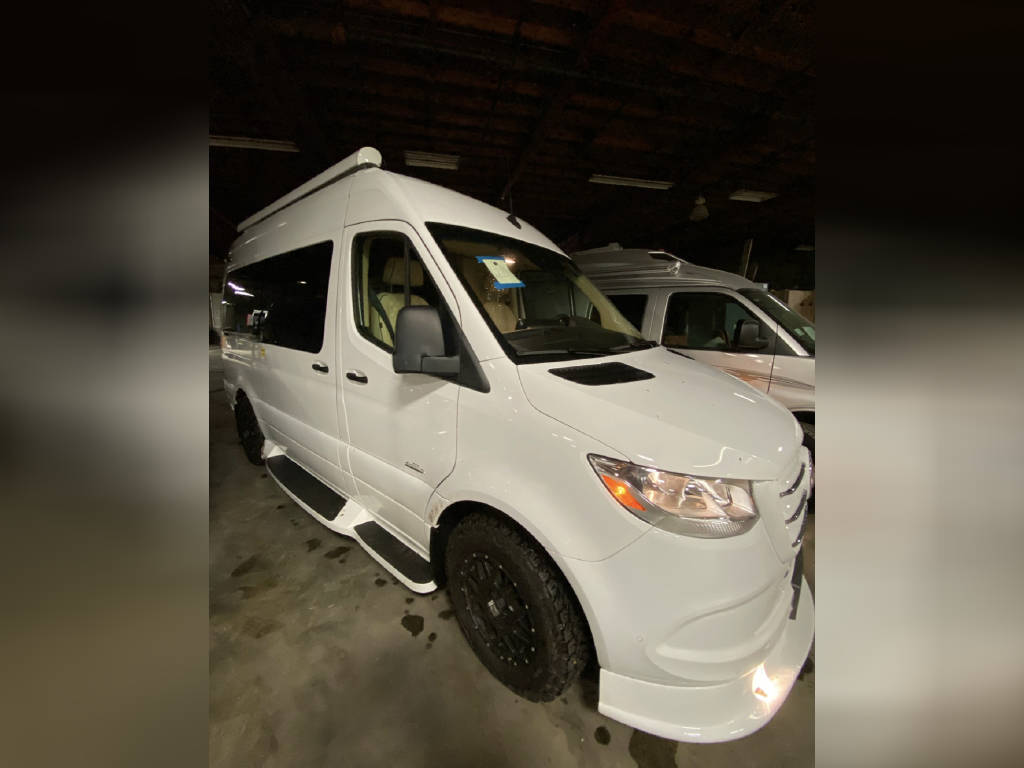
Mercedes-Benz Van Overview

Table Of Content Sprinter RV Van Dealer Locator Professional Series Mercedes Sprinter Limo Los Angeles, California Class B RV Sales Custom C...